
Free tool
Ovulation Calculator
During ovulation a mature egg is released from the ovary, ready for fertilization — usually about 14 days before the next period begins. Knowing your fertile window can meaningfully improve the chance of conceiving naturally.
Your estimated fertile window
–
- Most likely ovulation day
- Next period expected
- Estimated due date if you conceive
Estimates only — cycle timing varies. Confirm with your gynecologist.
Your cycle, mapped
- Period
- Fertile window
- Ovulation day
Plan the next three cycles
| Cycle | Fertile window | Ovulation day |
|---|
How the estimate works
The luteal phase — the time between ovulation and the next period — is remarkably consistent at about 14 days for most women. The calculator adds your cycle length to the first day of your last period to find the expected next period, then counts back 14 days to estimate ovulation.
Your fertile window opens about five days before ovulation (the lifespan of sperm) and closes roughly a day after the egg is released (the lifespan of the egg). The two days immediately before ovulation carry the highest probability of conception.
Physical signs can sharpen the estimate: clear, stretchy cervical mucus (often compared to raw egg white), a mild one-sided lower-abdominal twinge (mittelschmerz), and a small sustained rise in basal body temperature after ovulation.
Common questions
How accurate is an ovulation calculator?
It gives a statistical estimate based on the average 14-day luteal phase. Real ovulation can shift by a few days cycle to cycle, which is why the fertile window is shown as a range of days rather than a single date. For clinical confirmation, ultrasound follicular tracking or LH urine tests are far more precise.
What if my cycle is irregular?
If your cycle varies by more than about 7 days month to month, a single calculator estimate is less reliable. Use your shortest recent cycle as the input for a conservative window, and speak to a gynecologist about why the cycle is irregular — conditions like PCOS are common and treatable.
How long does the fertile window last?
About six days: the five days before ovulation plus the day of ovulation itself. Sperm can survive in the reproductive tract for up to five days, while the egg lives for roughly 12–24 hours after release.
Can I rely on this to avoid pregnancy?
No. Calendar-based estimates alone are not a reliable contraceptive method — ovulation timing varies even in regular cycles. Speak to a doctor about suitable contraception.
This tool is for general information and is not medical advice, diagnosis, or treatment. Always confirm fertility planning with a qualified gynecologist.
For franchise partners
Formulations behind this journey
Prescription ovulation-support formulations in the FertiLogic portfolio — stocked by partner pharmacies and clinics.
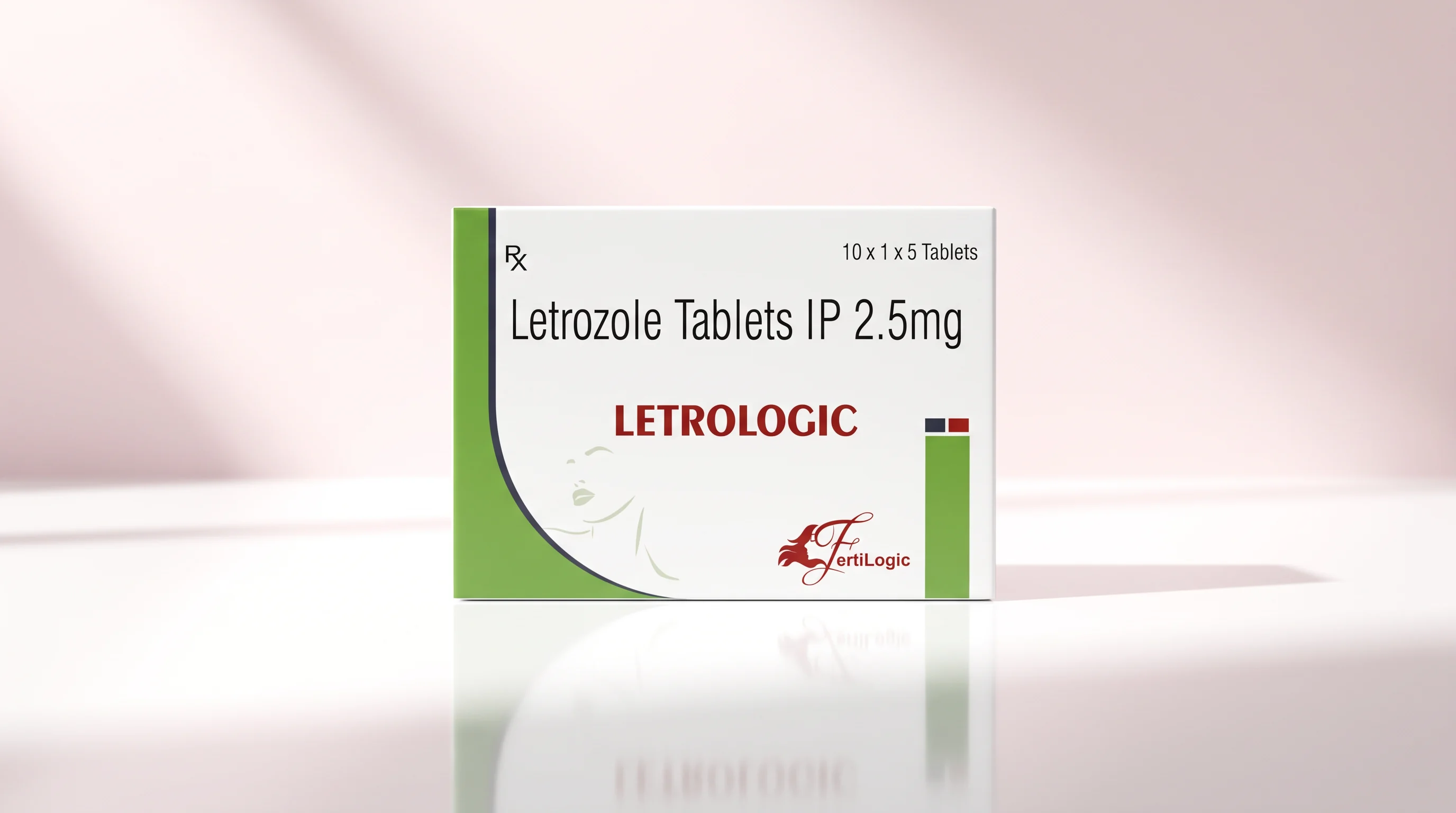
LETROLOGIC
Letrozole Tablets IP 2.5mg
Premium formulation for ovulation induction and fertility support.
View detail →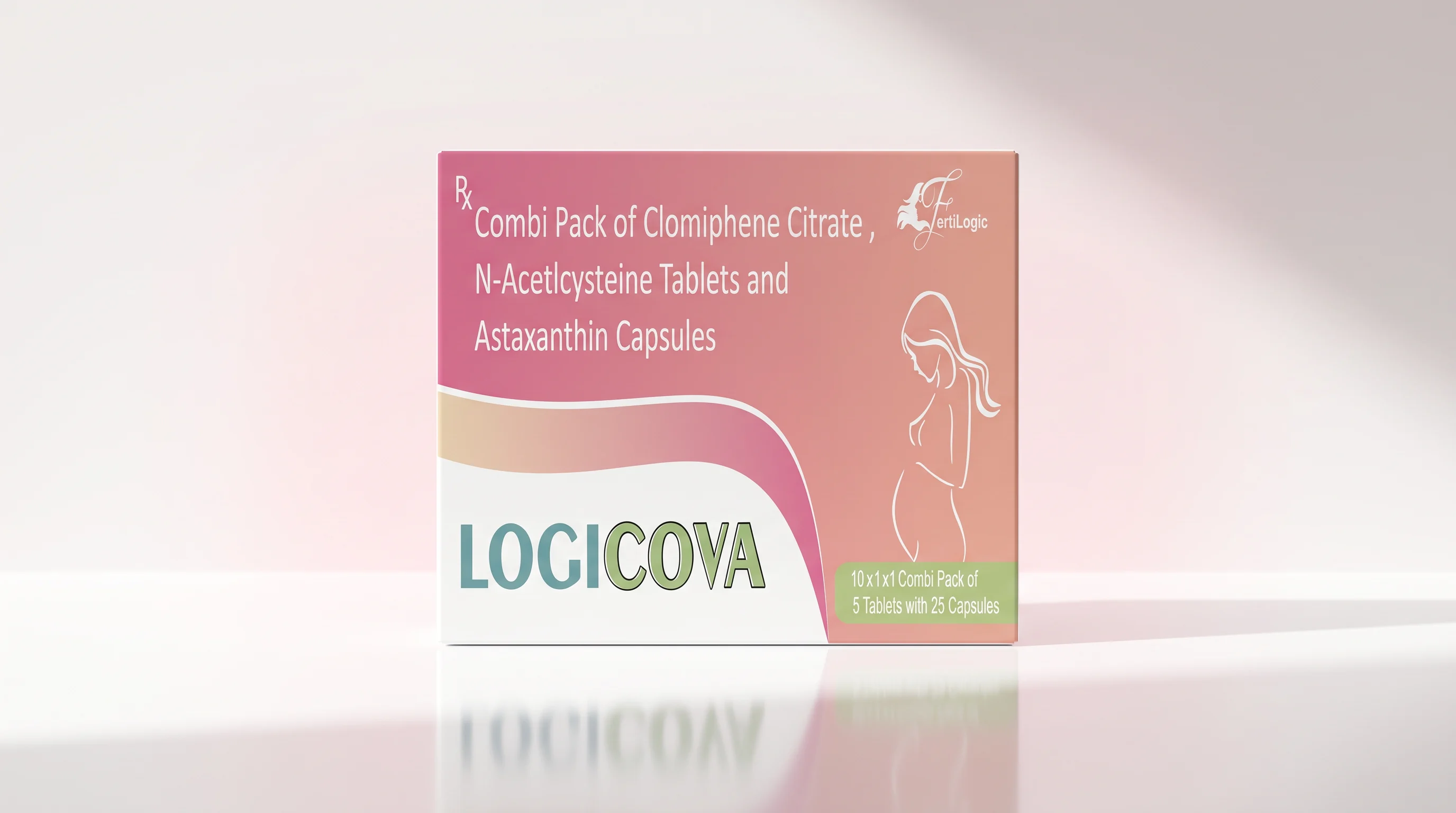
LOGICOVA
Combi Pack of Clomiphene Citrate, N-Acetylcysteine Tablets and Astaxanthin Capsules
Advanced fertility and reproductive health supplement.
View detail →