
Free tool
Pregnancy Due Date Calculator
Estimate your due date, see how far along you are today, and map the key milestones of the weeks ahead.
Your estimated due date
- How far along today
- Trimester
- Time to go
Estimates only — your dating ultrasound gives the definitive date.
Your pregnancy timeline
- Wk 6Heartbeat on scan
- Wk 10Dating scan (8–12 wks)
- Wk 12NT scan window
- Wk 20Anomaly scan (18–22 wks)
- Wk 28Third trimester
- Wk 37Full term
- Wk 40Due date
What happens after the estimate
Once pregnancy is confirmed, the first port of call is a dating ultrasound between 8 and 12 weeks — it measures the baby and sets the definitive due date. The NT scan (11–14 weeks) and the anomaly scan (18–22 weeks) follow as the two big checkpoints of the first half.
Folic acid supplementation is recommended from before conception through the first trimester to support neural-tube development, and B12 alongside it supports nerve health and red-cell formation. Any supplementation during pregnancy should be on your gynecologist's advice.
Common questions
How is the due date calculated?
By Naegele's rule: 280 days (40 weeks) from the first day of the last menstrual period, adjusted for cycle length. If you know the conception date, the estimate is 266 days from conception. Only about 4–5% of babies arrive exactly on the due date — most arrive within a week either side.
Why does cycle length change the estimate?
The 40-week rule assumes ovulation on day 14 of a 28-day cycle. A longer cycle usually means later ovulation, so the due date shifts forward; a shorter cycle shifts it back.
Which is more accurate — LMP or an ultrasound?
A first-trimester dating ultrasound (crown-rump length) is the most accurate way to date a pregnancy and is what your gynecologist will rely on. Calculator estimates are a planning aid until that scan.
What counts as full term?
37 completed weeks is considered early full term, 39–40 weeks full term. Delivery before 37 weeks is preterm and needs specialist care.
This tool is for general information and is not medical advice, diagnosis, or treatment. Always confirm dates and care with a qualified gynecologist.
For franchise partners
Formulations behind this journey
Folate and B-vitamin support formulations in the FertiLogic portfolio — stocked by partner pharmacies and clinics.
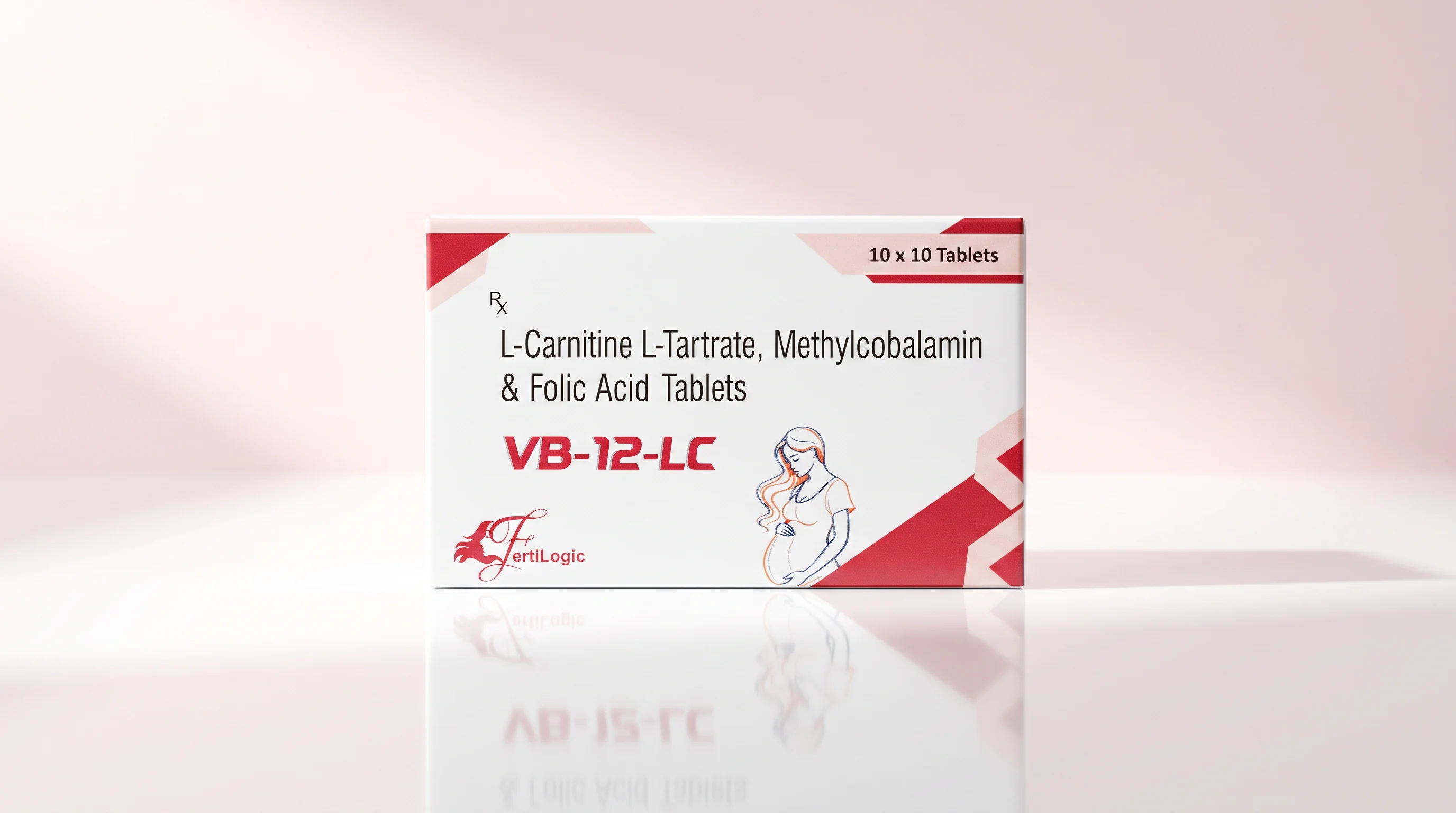
VB-12-LC
L-Carnitine L-Tartrate, Methylcobalamin & Folic Acid Tablets
High-potency Vitamin B12 and L-Carnitine for energy and nerve health.
View detail →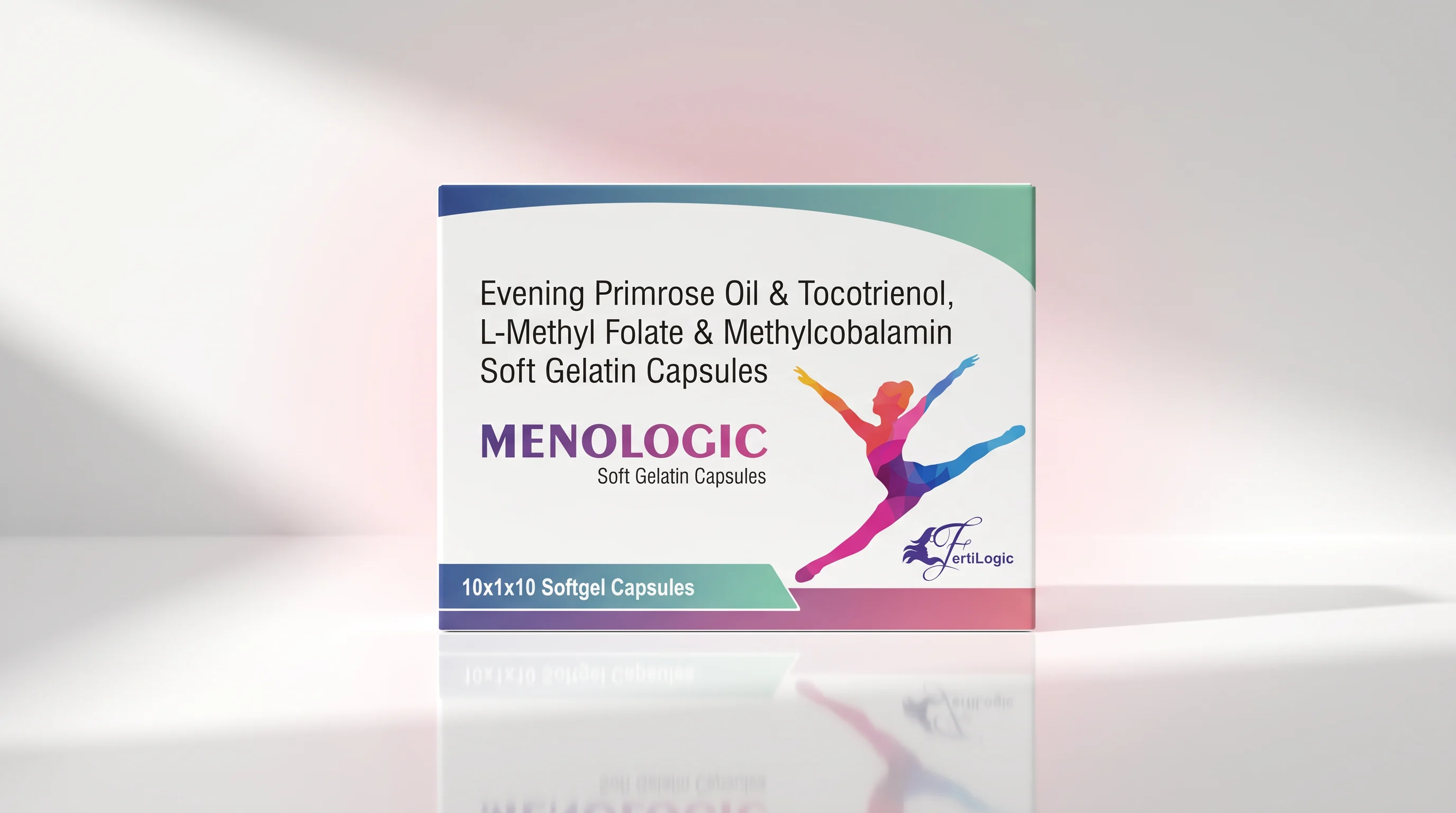
MENOLOGIC
Evening Primrose Oil & Tocotrienol, L-Methyl Folate & Methylcobalamin Soft Gelatin Capsules
Comprehensive support for menopausal transition and symptom management.
View detail →